
Hokura Shrine is a space that evokes history and mystery, nestled in the harmony of tranquility and nature. Its many attractions set it apart from ordinary shrines, and you’ll discover something new every time you visit.
2.1 The Mysterious Atmosphere of the Main Hall and Iwakura (Stone Altar)
Upon entering the grounds of Hokura Shrine, the first thing that catches your eye is the serene main hall. While not flashy, the wooden main hall exudes a solemn atmosphere, calming the minds of visitors.
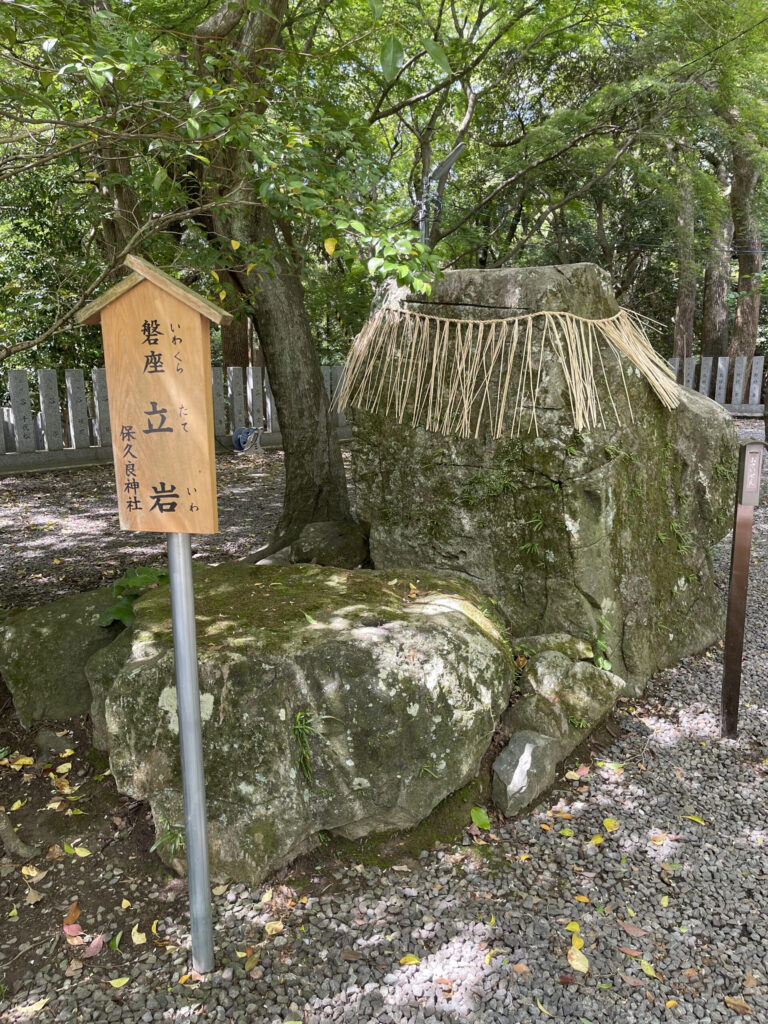
However, the shrine’s greatest feature is the “iwakura” (sacred rock) located behind the main hall. This rock is believed to be a dwelling place for gods in ancient nature worship, and it can be said to be the roots of Hokura Shrine’s faith.
🔸The allure of Iwakura:
・Many people feel a change in the air when they stand around the rock.
・Some have even experienced a tingling “ki” (energy) when they place their hands on the ground.
・It’s considered good etiquette to approach the site with a sacred feeling and to refrain from photography.
For those with a strong spiritual sensitivity, this space truly deserves to be called a “sacred place.”
2.2 What is the relationship between Hokura Shrine and a “zero magnetic field”?
One of the reasons Hokura Shrine has been attracting attention in spiritual circles in recent years is the possibility that it may have a “zero magnetic field.“
A zero magnetic field is a place where the magnetic forces of the Earth’s north and south poles cancel each other out, making it easier for the flow of ki to concentrate and effective in replenishing life energy.
🔸Actual effects:
・Headache relief
・Feeling lighter
・The air feels noticeably cleaner
While scientific proof is difficult, the number of experiences is undeniable. The “sense of concentrated ki” near the rock altar is particularly well-known among visitors.
2.3 When and Where Can You Experience “Passing Through a Chinowa-Kuguri”?
At Hokura Shrine, you can experience “Passing Through a Chinowa-Kuguri” every year on July 14th (the summer purification ritual). This is a traditional Shinto ritual that has been passed down since ancient times to purify impurities, and involves passing through a ring in prayer for good health.
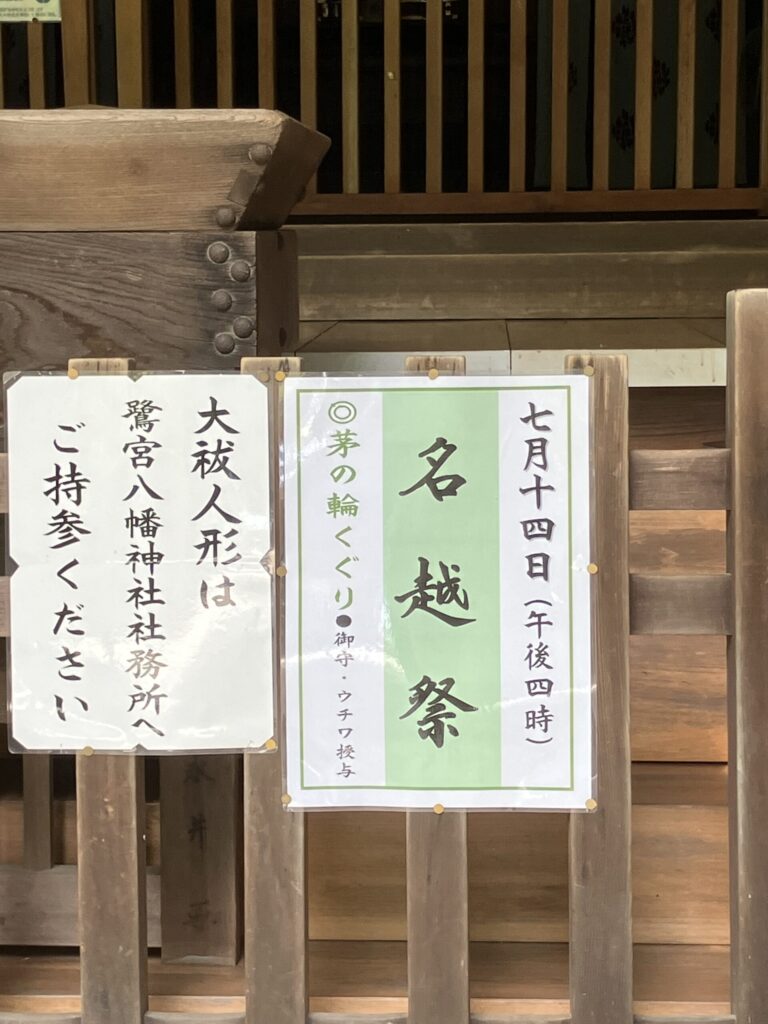
🔸What is Chinowa-kuguri?
・Passing through a large hoop made from the Chigaya plant
・Typically, passing through it three times in a figure-eight pattern
・This ritual is a traditional event that has been passed down since ancient times and is beloved by locals.
Hokura Shrine’s Chinowa-kuguri is held in the midst of nature, and is popular for its purifying effect. The date and time will be announced on the official website and bulletin board as the event approaches.
2.4 Spectacular Views of the Plum Grove and Recommended Seasonal Times
A beautiful plum grove stretches from the shrine’s approach to the grounds, and is best viewed from mid-February to early March. The sight of the plum blossoms in full bloom, heralding the arrival of spring, attracts many photographers and nature lovers.
🔸How to Enjoy the Plum Grove:
・Pretty pink and white plum blossoms bloom, accompanied by a fragrant fragrance.
・The view of the Kobe cityscape and sea beyond the blossoms is breathtaking.
・Visiting early in the morning allows for less crowding and a quieter experience of enjoying the flowers.
Okamoto’s plum grove was once known as “Okamoto for plums“, “Yoshino for cherry blossoms” Local residents have a history of reviving the grove after it was lost to residential development during the Showa period.
Events such as plum festivals are sometimes held during this time, so it’s a good idea to check social media or the shrine’s bulletin boards for the latest information before visiting.